
$65.00
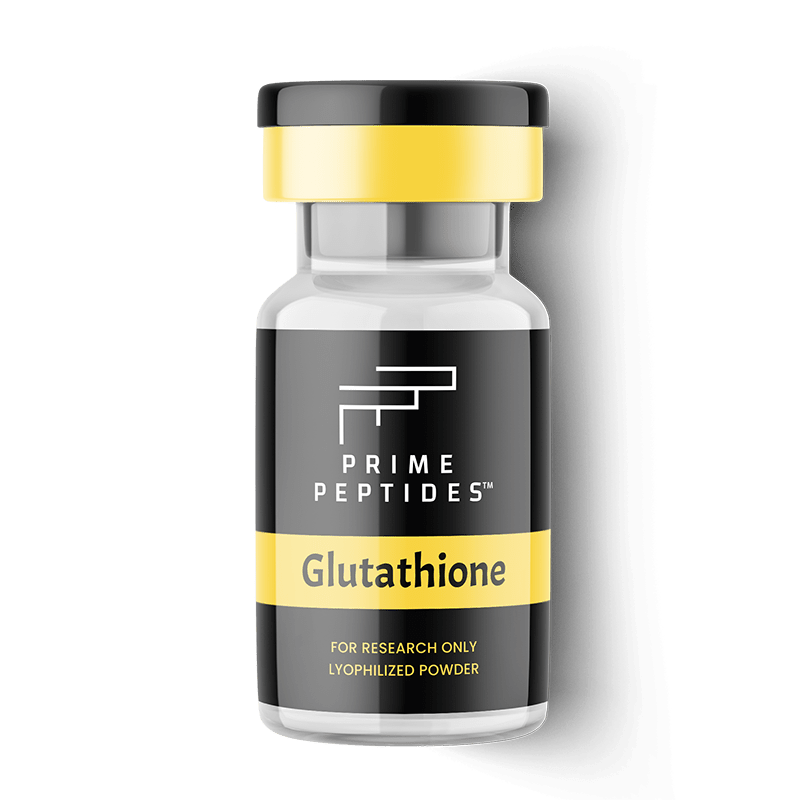
Glutathione 1500mg
Glutathione is a naturally occurring tripeptide made up of three amino acids—glutamine, cysteine, and glycine—that plays a central role in the body’s cellular defense systems. Researchers study glutathione for its involvement in antioxidant activity, detoxification pathways, and cellular health. It is found in nearly every cell and is especially important for protecting cells from oxidative stress and supporting normal metabolic processes. Scientists continue to explore how glutathione functions at the cellular level and its broader implications in biological research. Glutathione is intended only for scientific research purposes.
Antioxidant and Cellular Protection
Research shows glutathione plays a critical role in protecting cells from oxidative stress. In animal and cellular studies, glutathione has been shown to neutralize reactive oxygen species (ROS), reduce lipid peroxidation, and help maintain normal mitochondrial function. Depleted glutathione levels in experimental models are associated with increased cellular damage, while restored levels improve cellular resilience.
Detoxification and Liver Support
Glutathione is extensively studied for its role in phase II detoxification pathways, particularly in the liver. Animal studies demonstrate that glutathione supports the conjugation and elimination of toxins, heavy metals, and metabolic byproducts. In models of toxin-induced liver injury, glutathione supplementation reduced markers of oxidative damage and supported normal liver enzyme activity.
Immune and Inflammatory Modulation
Research indicates glutathione is involved in regulating immune cell function and inflammatory signaling. Studies show that adequate intracellular glutathione levels help support lymphocyte activity and redox balance, while low levels are associated with increased inflammatory responses in experimental models.
Neurological and Mitochondrial Research
In preclinical studies, glutathione has been shown to protect neurons from oxidative damage and support normal mitochondrial energy production. Reduced glutathione levels have been observed in models of neurodegeneration, prompting continued research into its role in maintaining neuronal health and cellular signaling.
These findings are based on preclinical and experimental research models. Glutathione is intended only for scientific research purposes.
Glutathione functions as a central regulator of cellular redox balance and defense. Its primary mechanism involves directly neutralizing reactive oxygen species (ROS) and free radicals, helping protect cells from oxidative damage. By maintaining a balanced intracellular redox state, glutathione supports normal cellular signaling and metabolic function.
Glutathione also plays a key role in detoxification pathways, particularly in the liver, where it binds to toxins and metabolic byproducts through enzymatic conjugation, facilitating their safe elimination. This process helps protect cells and tissues from chemical and environmental stressors.
In addition, glutathione supports mitochondrial health by preserving membrane integrity and optimizing energy production. It influences immune cell activity by helping regulate inflammatory signaling and supporting normal immune responses. Overall, glutathione contributes to cellular protection, detoxification, and maintenance of normal physiological function at the molecular level.
Glutathione is intended only for scientific research purposes.
| Property | Details |
|---|---|
| Chemical Formula | C₁₀H₁₇N₃O₆S |
| Molecular Mass | 307.32 g/mol |
| CAS Number | 70-18-8 |
| Vial Size | 20 mL |
| Vial Contents | Lyophilized Powder |
All products are for laboratory research purposes only. Not for human consumption, medical, or veterinary use. Prime Peptides™ does not condone or support the use of peptides outside of controlled scientific research. By purchasing, you acknowledge that you are a qualified researcher or institution. You must be 21 or older.
Be the first to review “Glutathione 1500mg”
Related products
PRIME PEPTIDES FOR SALE
PRIME PEPTIDES FOR SALE
PRIME PEPTIDES FOR SALE
PRIME PEPTIDES FOR SALE
PRIME PEPTIDES FOR SALE
PRIME PEPTIDES FOR SALE
PRIME PEPTIDES FOR SALE
PRIME PEPTIDES FOR SALE
Reviews
There are no reviews yet.